Here's what nobody tells you about sudden pain
Pain during sex that appears out of nowhere feels like betrayal. Your body has always been fine, and then one day it isn't. The instinct is to push through, assume it's temporary, or worse, assume you've broken something. Most of the time, you haven't. But ignoring it doesn't make it go away.
Let me be direct: sudden pain is a signal. It's not a punishment or a sign you're aging out of sex. It's information. Your nervous system is telling you something has shifted. Understanding what that something is changes everything about how you move forward.
What actually causes sudden pain during sex
Pain during sex usually falls into a few categories, and they're worth knowing because they respond to different solutions.
Tissue thinning and dryness. This is the most common culprit, especially for people over 40. Estrogen levels drop, tissue thins, lubrication decreases, and friction that used to feel fine suddenly stings. It's not about getting older. It's about a specific hormonal change that has a specific fix.
Pelvic floor tension. Sometimes pain shows up because your pelvic floor muscles have locked tight. This happens with stress, anxiety, repetitive strain, or sometimes just because your body has learned to brace itself. It feels like tightness or a sharp catch, usually worse during entry.
Vulvovaginitis or bacterial imbalance. Infections, pH shifts, or inflammatory conditions can create pain that comes and goes. This feels different. Usually there's burning, itching, or a change in discharge.
Nerve sensitization. Sometimes the tissue is fine, but the nerves have become hypersensitive. This often happens after prolonged stress, after a period of no sexual activity, or sometimes after a small injury that didn't fully heal.
Relationship or emotional brick wall. And here's the thing nobody says enough: sometimes pain shows up when emotional intimacy has fractured. Your body stops you from connecting physically because connection doesn't feel safe emotionally anymore. This isn't psychosomatic. It's your nervous system protecting you.
Why a lemon vibrator changes the equation
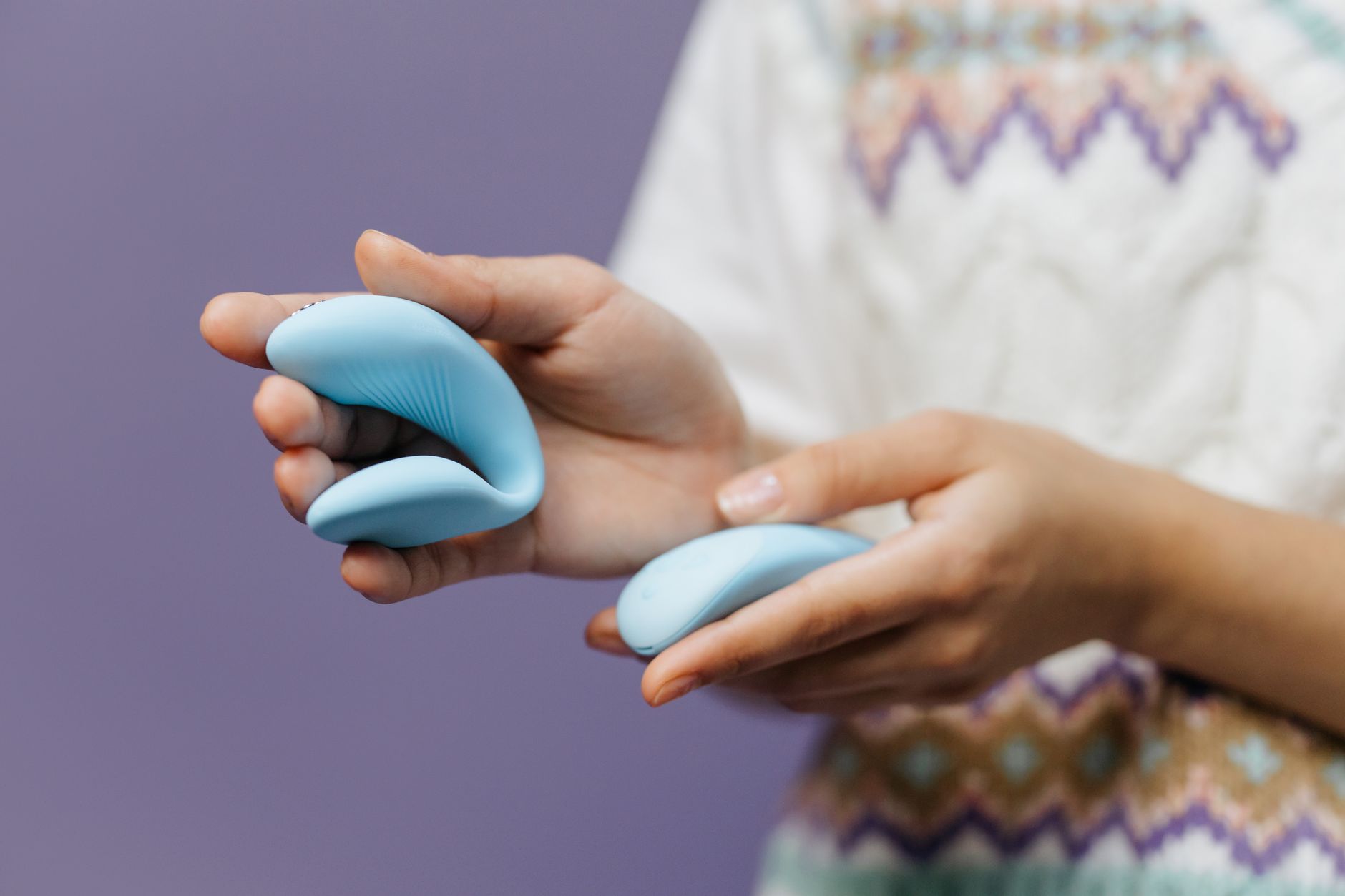
A lemon sucker like the one from My Lem Sucker works differently than penetrative sex or other vibrators. Here's why that matters when pain has shown up.
Air-suction stimulation doesn't require friction. The Lem uses gentle suction rather than direct pressure or vibration against tissue. If tissue thinning is your issue, this means you get intense sensation without the mechanical grinding that causes pain. You can explore pleasure without retraumatizing sensitive areas.
You control the intensity completely. Starting on the lowest setting lets you rebuild confidence slowly. There's no "have to" about pressure or depth. You're in control of every variable, which matters enormously when pain has made you nervous about sex again.
Clitoral stimulation bypasses penetration entirely. Pain during penetration doesn't mean clitoral pleasure is off the table. Many people find that returning to clitoral focus alone feels safe, builds confidence, and reconnects them to their own response. A lemon vibrator gives you that focused sensation without the vulnerability of penetration.
Your nervous system can relax. When you're not bracing for pain, arousal actually builds. Tension and pain create a feedback loop. Breaking that loop by choosing a form of stimulation that feels safe rewires your nervous system back to pleasure.
The practical steps to start again
If pain has been happening, here's how to move forward with a clitoral vibrator like the Lem.
First, get checked. Seriously. Not as a worst-case scenario, but as information gathering. A gynecologist trained in sexual health can rule out infection, tissue issues, or hormonal changes that need treatment. Genitourinary syndrome of menopause (GSM) is real and wildly treatable. Topical estrogen creams work in weeks. Don't white-knuckle through pain you could fix.
Start with the lowest setting, alone. Before involving a partner, rebuild your own confidence. Spend time with just the vibrator, exploring what feels good at low intensity. You're essentially retraining your nervous system to associate clitoral stimulation with pleasure, not pain. This takes patience. Let it.
Use water-based lubricant regardless. Even if you're not having penetrative sex, lubricant reduces friction, makes sensation richer, and tells your body "this is chosen pleasure, not urgent." It's part of the permission structure.
Go slow on intensity progression. The urge is to ramp up to where you used to be. Don't. Let intensity increase naturally over weeks, not days. Your nervous system learns through repetition and safety.
Talk to your partner about the actual problem. Not "I have pain, so we can't have sex." But specifically: "I'm experiencing pain during penetration. I'm getting it checked. In the meantime, I want to explore ways we can connect that feel safe for my body right now." That conversation shifts from problem to collaboration.
What doesn't work and why
Pushing through pain doesn't build tolerance. It builds more pain. Your body gets better at bracing, tensing, and avoiding. Each painful experience teaches your nervous system that sex is a threat. You're training the opposite of what you want.
Switching partners or assuming the pain is about them doesn't help if the actual issue is physical or nervous system based. Pain is pain. The context changes how you address it, but not whether you should.
Waiting for pain to disappear on its own while continuing penetrative sex usually makes it worse. Pain creates defensive tension. Defensive tension creates more pain. You need to interrupt the cycle, not wait it out.
When professional help shifts things
If pain persists for more than two weeks, if it's getting worse, or if it's affecting your willingness to have any sex at all, see a pelvic floor physical therapist or a sexual medicine specialist. These providers exist specifically for this. They can assess whether your pelvic floor is locked, whether tissue treatment would help, whether nerve sensitivity is the issue.
If emotional distance is the root, that's counseling territory. A good therapist trained in sex and couples work can help you and your partner rebuild safety together. That's not a failure. It's precision.
The return rhythm
Most people find that with a combination of treatment (if needed), nervous system retraining, and tools like a lemon clitoral vibrator, pain starts shifting within three to four weeks. Full confidence usually takes longer. That's normal.
The goal isn't to get back to exactly where you were. It's to move forward differently, more intentionally, with better information about what your body needs. Often that version of sex is better than the version pain interrupted. You're not recovering. You're rebuilding.