How to Use a Lemon Vibrator When You Have a Responsive Partner But Struggle With Consistency
The gap between wanting pleasure and actually reaching it is rarely about desire. Here's what's really blocking you, and how a lemon clitoral vibrator can help you break the pattern.
You have a partner who wants this. You want this. And somehow, between the intention and the arrival, something dissolves. You get partway there and lose momentum. Or you feel great for two weeks and then the next time feels wooden. Or you keep stopping because you're in your head, wondering if this is taking too long, if your partner is getting tired, if something's wrong with you.
Here's what I know after years of working with couples: this isn't a desire problem. It's a consistency problem, and consistency problems are almost always about one of three invisible blocks. Knowing which one you're hitting is what changes everything.
This one sneaks up. Your partner is responsive and into it, which means you're aware of their experience. You're tracking their breathing, their timing, whether they seem satisfied. You've become a spectator to your own pleasure, narrating it instead of living it. This is subtle. It doesn't feel like performance anxiety. It feels like thoughtfulness. But thoughtfulness that hijacks your nervous system kills arousal every time.
Block Two: You have no baseline for what feels good.
If you've spent years having partnered sex primarily, or you're coming back to pleasure after a long gap, you might not actually know what consistent sensation feels like on your body. Without that internal reference point, you can't communicate it, you can't build toward it reliably, and your partner can't meet you there. Every session becomes a search instead of a deepening.
Block Three: You're using outdated timing or technique.
What worked when you were 25 might not be the current wiring. Your arousal pattern might have shifted with hormones, stress, or just time. Your partner is still using their "reliable" move from three years ago. You're not communicating about what's actually landing now because it feels awkward to interrupt things. Voilà. Inconsistency.
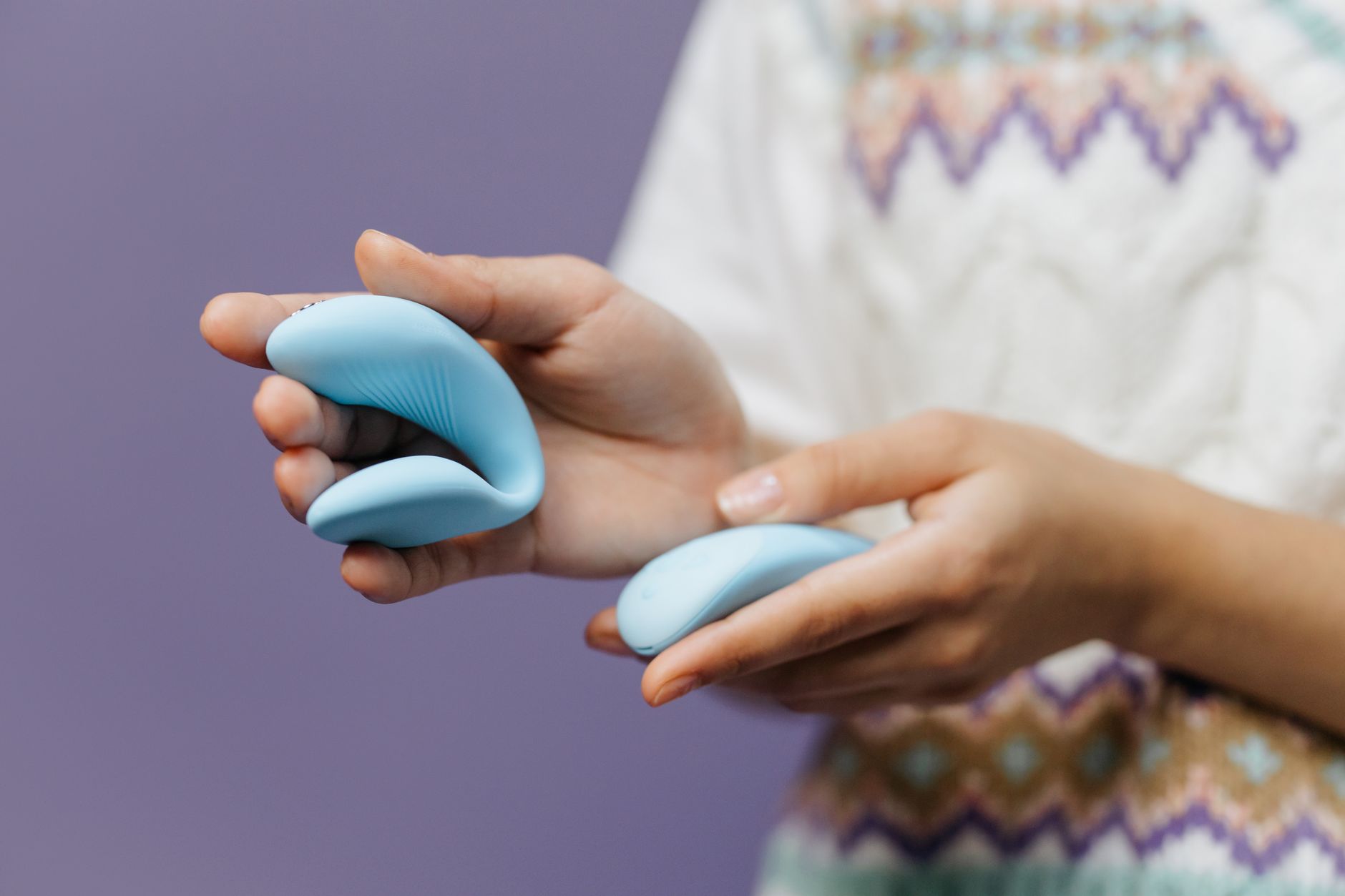
A lemon vibrator like the Lem does something specific: it divorces sensation from performance. When you're using a tool designed to give you consistent, localized stimulation, you stop waiting for your partner to figure out the right angle or pace. You're no longer dependent on their rhythm or their endurance. You become the expert on your own pleasure again.
This is enormous for consistency. Here's why.
Using a lem vibrator with a partner doesn't mean checking out. It means you're both in the same scene, but you have agency. Your partner can watch, can touch other parts of your body, can be present. But the core sensation? That's yours to direct. You control the intensity, the pattern, the duration. No guessing. No performing. Just building toward what actually works for your body right now.
This is the unsexy-but-absolutely-critical step. Before you bring a lemon sucker into partnered sessions, you need to know what consistent pleasure feels like on your solo time.
Set aside 20-30 minutes when you're alone and you have zero time pressure. No partner in the next room wondering when you'll be done. No checking the clock.
Start with your lemon vibrator on pattern 1 or 2. Low intensity. Not aroused yet. Just exploring. Pay attention to what patterns feel most interesting, what kind of pressure lands best, how long it takes before arousal builds. Don't aim for an orgasm. Aim for information. After 3-4 solo sessions like this, you'll have a real sense of your own wiring.
Then, bring that knowledge into partnered time. You're no longer guessing. You know "pattern 3 for two minutes to warm up, then pattern 5 when I'm already close." You know "pressure from the left side works better than direct center." That specificity is what turns inconsistency into reliability.
If your partner doesn't know this is coming, it can land weirdly. They might think you're saying they're not enough. They might feel replaced. They might assume you want to use it solo now instead of together.
None of that is true, but you have to name it first.
Try this: "I want to explore something that might help me feel more consistent pleasure when we're together. I've realized I have this pattern where I lose myself in my own experience because I'm tracking yours. I want to try using a lemon vibrator during our time together so I can stay grounded in what my body actually needs. I want you here. I just want the stimulation part handled so I can be fully present with you. Would you be open to trying this?"
That's vulnerable and clear. Most responsive partners will get it immediately. Some will need a reassurance conversation. "This isn't about you not being enough. This is about me having a tool that lets me stay in my body instead of in my head."
There's no one way. Here are three patterns that work well for couples managing the consistency problem.
Pattern A: You lead with the vibrator during foreplay, partner joins in after arousal builds.
You spend 5-10 minutes getting yourself going with your lemon vibrator while your partner touches other parts of your body. Your breasts, your thighs, your back. Once you're genuinely aroused and your body is responsive, they can shift to partnered activity. The difference: you're not waiting for them to create initial arousal. You're meeting them halfway there.
Pattern B: You use it throughout, they stay present in another role.
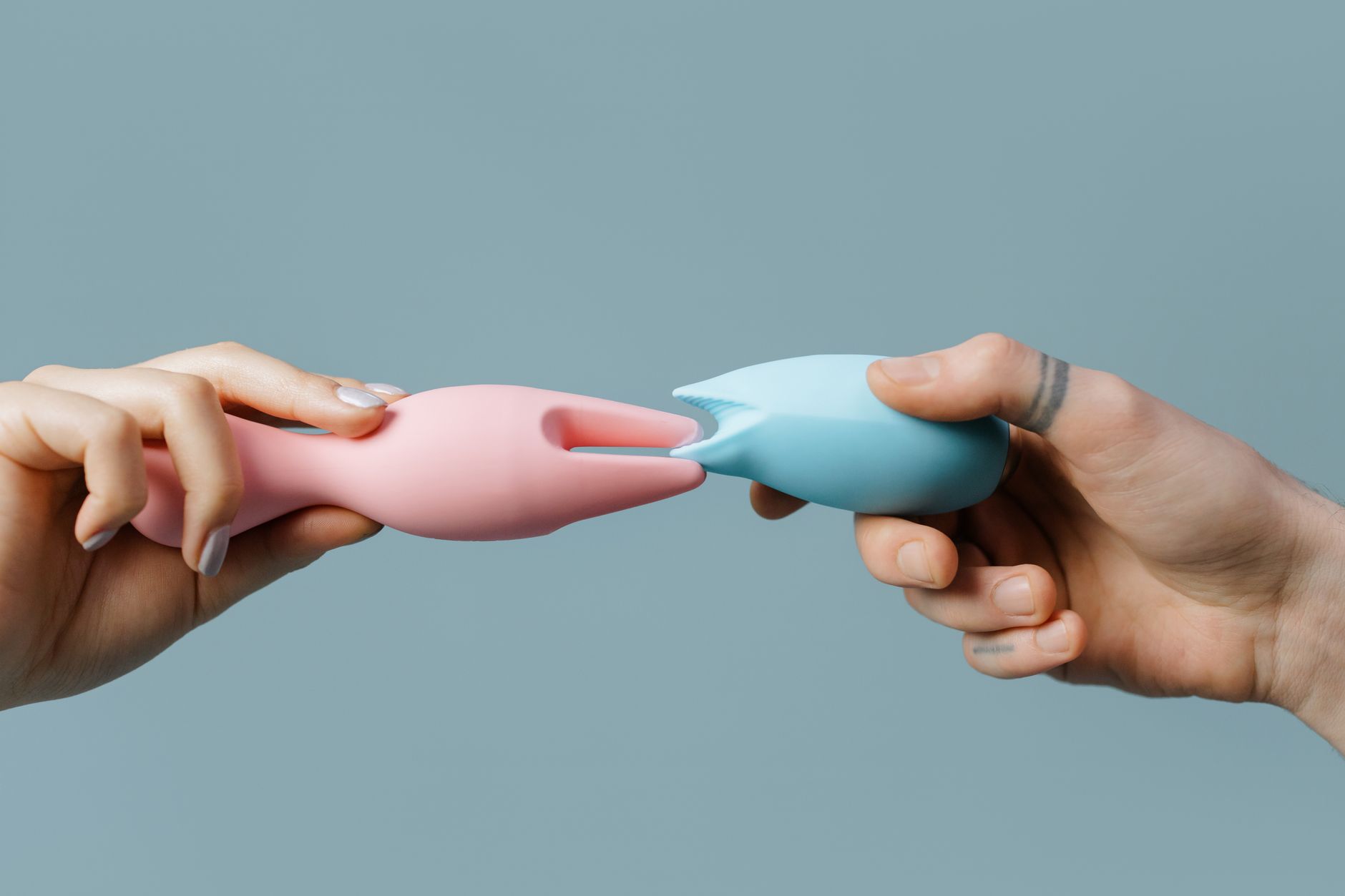
Your lemon sucker handles clitoral stimulation. Your partner enters the scene differently. They might penetrate. They might be inside you while you use the vibrator. They might just be there, holding you, touching your face, creating eye contact. The vibrator isn't a replacement. It's a clarification. Everyone knows where sensation is coming from.
Pattern C: You finish with it while they watch or touch around it.
You're close but not quite landing. Instead of the frustration pattern where you both keep trying the same thing hoping it'll work, one of you reaches for your lemon vibrator. Your partner shifts into a supporting role. They might kiss you. They might hold your leg. They're present, but the final piece is handled. Then you get to actually experience the consistency of crossing that threshold.
Here's something that shifts everything: most couples' arousal timings are wildly mismatched, but they never actually talk about it in real time. One person gets there faster. The other needs more buildup. You're both trying to meet in the middle and landing in a frustrating zone instead.
When you bring a lem vibrator into the equation, you can finally solve for your actual timeline. You don't have to wait for your partner to match your pace. You don't have to rush your arousal to catch up with theirs. You can both know: "I'll use this for eight minutes to get where I need to be, and you can use that time however you need."
Consistency emerges when everyone's actual needs are named and met. Not when you're all pretending you're on the same timeline.
After a few times using a lemon vibrator together, something shifts internally. You stop doubting whether you can reach consistent pleasure. You stop waiting for your partner to figure you out. You know your own landscape now. That confidence alone changes the next partnered session, even if you don't use the vibrator that time.
Your nervous system learns: "Pleasure is reliable. I know how to get there. My partner is here with me." That's the holy trinity. Consistency isn't something that happens to you. It's something you build by knowing yourself, communicating clearly, and using the right tools.
If inconsistency is tied to deeper relational stuff—resentment, unresolved conflict, trust issues—a lemon vibrator won't fix that. It might even highlight it. In those cases, the vibrator is a tool that works well alongside actual couple's work. It's not a Band-Aid for a communication problem.
But if your inconsistency is purely about "I don't know my own body," or "I lose myself in your experience," or "our timings don't match," a clitoral vibrator becomes genuinely transformative. You're removing one variable so you can focus on the others.
No. It does the opposite. When you're not anxious about your own arousal, you're actually more available for connection. You're not in your head. You're present. Presence is the deepest form of intimacy.
That's a conversation, not a reason to skip it. Usually the threat dissolves once they understand it's removing a source of your anxiety, not replacing them. If it persists, that might be worth exploring together in a therapeutic context. But a lem vibrator itself isn't the problem. The anxiety underneath is what needs attention.
Most couples report a noticeable shift after three to four sessions. Your nervous system needs a few repetitions to learn that pleasure is reliable. By week three, you'll have a clear baseline you can communicate from.
Often yes. If your medication has dampened arousal or sensation, a lemon clitoral vibrator can help you access what's still available. If you're unsure, ask your prescriber. But the tool itself is usually gentler and more targeted than partnered sex alone.
Start lower than you would solo. When your partner is also present and touching you, the combined stimulation adds up fast. Pattern 2 or 3 is usually the sweet spot to begin. You can always increase.
It stabilizes. Once you've established a pattern that works and your partner knows your body's signals, consistency becomes automatic. The vigilance drops. The pleasure deepens. You're playing from a foundation instead of constantly testing the ground.
Inconsistent pleasure with a responsive partner usually means inconsistent communication with yourself. You haven't named what you need. You haven't explored your own baseline. You haven't spoken up about what's changed in your body or your arousal pattern.
A lemon vibrator becomes the tool that lets you finally have that conversation with yourself and with your partner. It's not magic. It's clarity. And clarity is what turns sporadic pleasure into something you can actually count on.
If you're ready to explore this, start solo. Know your own landscape. Then bring that confidence into your partnered time. Your partner will feel the difference. You both will.