
Let's start where you actually are
Postpartum sex feels like it happened to someone else's body. That's not dramatic. That's just neurological fact. Your pelvic floor rebuilt itself. Your hormones are still recalibrating. The tissues that used to respond instantly now need a different kind of attention. And nobody tells you that sensation doesn't come back all at once. It comes back in phases, and for most people, phase one feels confusing.
Here's what I want you to know first: you're not broken. Your pleasure capacity hasn't vanished. But the pathway to it has shifted, and trying to force the old route won't work. A lemon vibrator, specifically an air-suction lem vibrator, works for postpartum bodies because it doesn't demand the same kind of tissue resilience that traditional vibrators do. It meets your body where it is right now, not where you remember it being.
What actually changes after childbirth
Your pelvic floor muscles rebuild from a state of significant stretch. This process takes weeks to months, and even after the physical healing is complete, the neurological rewiring continues. Estrogen drops as your body shifts out of pregnancy mode, which makes vaginal and clitoral tissue thinner and slower to respond. Oxytocin, the bonding hormone, is flooding your system around baby care, not partnered pleasure. And honestly? You're exhausted.
But here's the part nobody emphasizes enough: none of this is permanent. It's temporary neurological and hormonal recalibration. Your clitoral nerve endings haven't changed. Your capacity for orgasm is still there. It's just wrapped in new constraints right now.
Three specific things happen that alter sensation:
Tissue thinning. Lower estrogen means the vulva and clitoris have less blood flow and thinner epithelial layers. This makes direct friction from traditional vibrators feel either numb or slightly uncomfortable. You're not being dramatic if it feels weird. It is different.
Pelvic floor relearning. Your pelvic floor is incredibly sore and also incredibly protective. It wants to hold tension because it's still healing. When you try to relax into pleasure, this protective tension kicks in instead, which blocks arousal signals. You feel stuck between "nothing's happening" and "this is slightly painful."
Arousal speed. Your brain is literally elsewhere. Baby needs. Partner needs. Sleep debt. Pleasure used to be automatic. Now it requires intentional space that you have to fight to create. This isn't loss of desire. This is attention scarcity.
Why a lemon sucker works better right now
A traditional vibrator moves back and forth. It demands friction. For postpartum tissue, that can feel numbing or irritating. A lem vibrator uses air-suction technology. Instead of vibration against tissue, it creates a gentle pressure wave that stimulates the nerve endings without requiring the same kind of mechanical responsiveness.
This matters because your pelvic floor is already in protective mode. A suction device that doesn't demand friction allows your tissues to relax more easily. The sensation is entirely different from vibration. Many people describe it as more rounded, less sharp, easier to feel when tissue sensitivity is reduced.
The other reason: intensity control becomes actually useful. Instead of guessing which vibration pattern might work, you can start at the lowest suction setting and build slowly. Your body gets to lead the pace instead of the device doing it for you.
The timeline for reconnecting with sensation
Clear expectations help more than generic encouragement. Here's what I tell clients:
Weeks 1-6. Don't use any device. Your body is healing from significant tissue trauma. This isn't punishment. This is allowing inflammation to resolve.
Weeks 6-12. If your provider has cleared you, solo exploration is safe. Start with external touch, no tools. Pay attention to what feels good versus what feels numb. This is data collection, not performance. Most people need 3-4 weeks of this phase before sensation starts normalizing.
Weeks 12-16. Introduce a lemon vibrator, but only on the lowest setting. Don't expect orgasm. Expect to feel texture and pressure differently than before. Your nervous system is recalibrating which sensations mean pleasure and which mean protection.
Month 4 onward. If you're partnered, bring your partner into solo discovery (not as audience, but as collaborative explorer). Your nervous system learns faster when a trusted partner is involved. This is also the phase where communication matters most, because your pleasure needs are genuinely different now.
Many people feel full sensation return by month 5-6. Some take longer. Breastfeeding delays it further because prolactin suppresses some arousal hormones. Lack of sleep absolutely flattens sensation. These are all normal friction points, not signs you've permanently lost pleasure.
How to actually use a lemon clitoral vibrator postpartum
Step one: Build arousal without the device. Spend 10-15 minutes on external touch alone. Your hands, your partner's hands, no tools yet. You're retraining your nervous system to recognize arousal signals. This feels slower and less efficient than before. That's accurate. It is slower right now. Do it anyway.
Step two: Introduce the lem on the lowest setting. Don't aim for a specific outcome. Just explore. Many people find that even the lowest setting feels strong at first. That passes. What you're doing is teaching your clitoris how to respond to a new type of stimulus.
Step three: Pay attention to position. After childbirth, clitoral sensation is often higher and more concentrated. You might need slightly different angles than you used pre-pregnancy. Try the device at different positions relative to your body. What worked before might not anymore, and that's completely normal.
Step four: Use lube. Water-based lubricant isn't optional. Even if you don't think you need it, your postpartum tissues benefit from it. This isn't about permanent dryness. This is about reducing friction resistance so your nervous system can focus on pleasure signals instead of tissue irritation.
Step five: Set a time limit. Twenty minutes maximum on your first attempts. Your nervous system gets fatigued faster than it used to. Stopping before exhaustion teaches your body that pleasure is sustainable, not something you have to milk for all it's worth in one session.
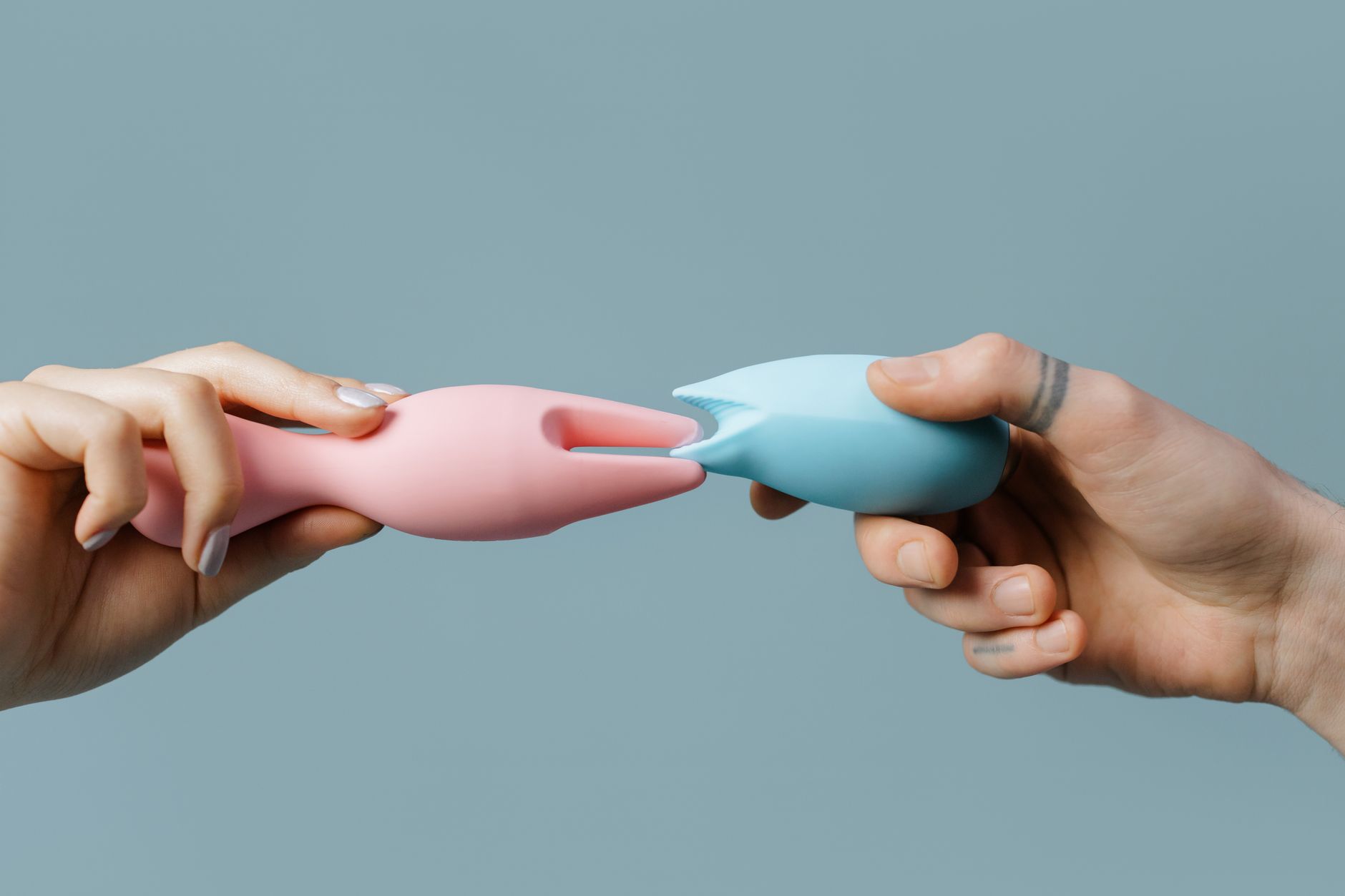
Photo by cottonbro studio on Pexels
What to do if it still feels numb
Numbness after childbirth is common and usually temporary. But it's worth troubleshooting. First, check your timeline. If you're before month 4, numbness is expected. You haven't given your nervous system enough time to recalibrate. Forcing intensity or frequency won't speed this up.
Second, examine your stress and sleep. A tired nervous system doesn't register pleasure signals. When you're operating on broken sleep and running on adrenaline (which is the postpartum default), your body prioritizes survival over sensation. This sounds dramatic but it's neurologically accurate. You need 6 consecutive hours of sleep at least twice a week for arousal to rebuild. This is real, measurable neurobiology.
Third, talk to your provider about prolactin if you're breastfeeding. Elevated prolactin suppresses dopamine, which is your pleasure neurotransmitter. There's no quick fix here, but understanding it removes the shame. Your body isn't broken. It's doing exactly what it's designed to do. The numbness is a feature, not a bug.
If numbness persists beyond month 6, check in with a pelvic floor physical therapist. Sometimes protective muscle tension is preventing sensation from reaching your clitoris. A few sessions can completely change the experience.
Rebuilding pleasure with a partner
The conversation with your partner matters more than the device. Let them know what you're doing and why. Not as an invitation, but as information. Some partners feel rejected during postpartum recovery because sex has disappeared. Explaining that you're retraining your nervous system, not avoiding intimacy, shifts the dynamic significantly.
If you want your partner involved, start with external play. Have them explore what sensation feels good to you right now. This is different from pre-pregnancy touching. What felt intense before might feel uncomfortable now. Priorities shift. This is your chance to tell them what actually works instead of defaulting to habit.
Many couples find that reintroducing a lemon vibrator becomes a collaborative project. Your partner can try different settings while you give feedback. This removes performance pressure and builds genuine novelty back into your sex life instead of trying to resurrect what you had before.
One caution: don't use device exploration as a substitute for sleep. I see a lot of couples trying to rebuild intimacy by adding tools and intensity. What you actually need is rest. A lemon vibrator won't fix exhaustion. You do.
People also ask
How long after delivery is it safe to use a lemon vibrator? Wait until your provider clears you for penetration or any sexual activity, typically 6 weeks postpartum. For external-only use with a lem vibrator, most providers give clearance at the 6-week mark, but check with yours. If you had significant tearing or a cesarean, your timeline might extend.
Will using a lemon clitoral vibrator help me regain sensation faster? Regular gentle exploration can help your nervous system rebuild recognition of pleasure signals, but nothing dramatically accelerates the process. What matters is consistency, low pressure, and permission to let it take time. A lem vibrator's gentleness makes this easier than forcing traditional vibration on sensitive postpartum tissue.
Can I use a lemon sucker while breastfeeding? Yes, but understand that breastfeeding reduces some arousal hormones. You might feel numbness that's related to prolactin levels, not tissue healing. Sensation often returns more quickly once breastfeeding ends or decreases in frequency.
Should I tell my partner I'm using a lemon vibrator postpartum? That's entirely your choice, but I recommend it. If this is part of your healing process, your partner knowing removes potential awkwardness or misunderstanding. It also opens the door to partnered exploration later if you want it.
What if pleasure doesn't return by month 6? Talk to your provider. Check with a pelvic floor physical therapist. Consider screening for postpartum depression or postpartum anxiety, both of which flatten sensation. And give yourself more time. Some people need 9-12 months for full sensation return, especially if breastfeeding is ongoing.
Can I use the same lemon vibrator I used pre-pregnancy? You can, but you might need to approach it differently. Settings that felt perfect before might feel too intense now. Start low and build. Your body's preferences have legitimately changed. That's information, not failure.
You're not behind
Postpartum pleasure recovery feels slower than you'd like because it is slower. Your nervous system genuinely needs more time to recalibrate. Your hormones are still finding their new baseline. Your tissues are rebuilding. You're running on reduced sleep and increased stress. None of this is a personal failing.
A lemon vibrator, with its gentle air-suction technology and adjustable intensity, meets your postpartum body on realistic terms. It doesn't demand tissue resilience you don't have yet. It doesn't require performance you're too tired for. It just offers a pathway back to sensation when you're ready for it.
The sensation will return. Your pleasure capacity hasn't disappeared. It's just taking a different route right now. How to use a lemon vibrator when you're ready to explore pleasure again covers the longer arc of rebuilding. For now, focus on rest, gentle exploration, and giving yourself permission for this phase to take as long as it needs.
If you're struggling with reconnecting after months of recovery or if sensation isn't returning as expected, reach out. Contact us to talk through what's happening in your specific situation. Recovery is real. It just looks different for every body.