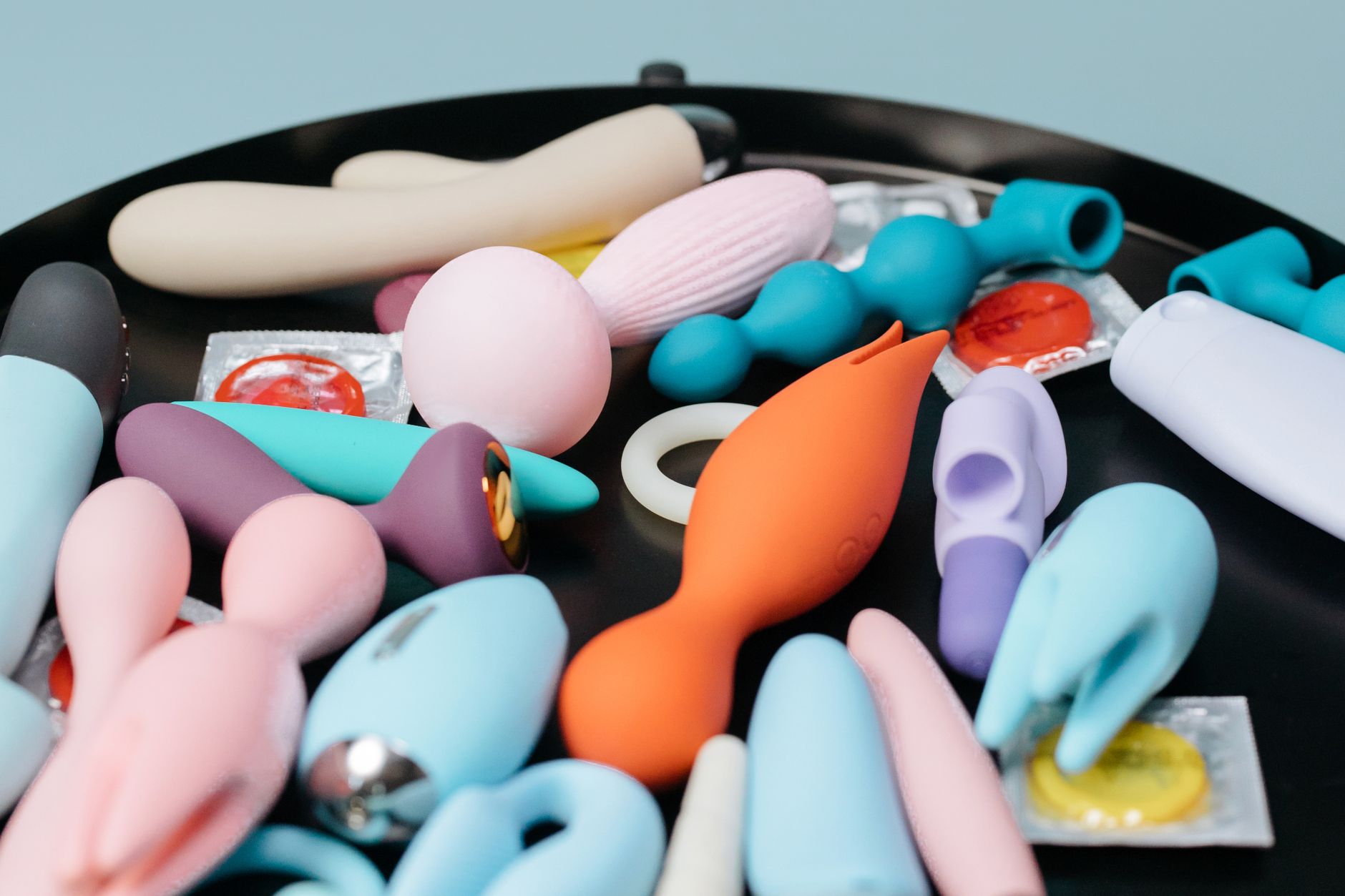
Here's what nobody tells you about desire after big life changes
You get a promotion, move to a new city, end a long relationship, or merge your life with someone new. And suddenly your desire doesn't work the way it used to. It's not broken. It's just reorganizing itself around whatever has shifted. That's actually completely normal.
The problem is that most of us mistake that reorganization for loss. We assume we've lost interest permanently, or that something's wrong with us, or that pleasure is just on hold until life settles down. None of those are usually true. What's happening is more interesting.
Why major life changes scramble your desire architecture
When you move through a significant life transition, your nervous system gets reorganized. A new job demands different parts of your brain. A breakup rewires your attachment patterns. Moving to a new city resets your sense of safety. Your body is literally running different neurological software than it was six months ago.
Desire isn't separate from that. It's woven into your nervous system, your sense of identity, your feeling of being grounded or unmoored. When your external life reorganizes, your internal pleasure signals get recalibrated along with everything else.
That doesn't mean desire disappears. It means desire becomes harder to locate for a while. You might find yourself uncertain about what you want, how you want it, or whether you want it at all. You might discover that the things that worked before don't anymore. That's your system updating, not failing.
The difference between transition and dysfunction
Let's separate two things that look similar but need completely different responses.
Transition desire changes are temporary reorganizations. You feel flat for a few months after a move, then you start recognizing your pleasure again. You feel scattered after a breakup, then after a few weeks or months, your solo practice finds new rhythm. These changes follow a rough timeline tied to the life event itself.
Dysfunction signals are different. They're when desire doesn't return after the transition settles. When you feel numb even months in. When you realize you haven't had sex or masturbated in a year and haven't noticed. When your body feels genuinely foreign, not just unfamiliar. Those warrant a conversation with a therapist or doctor. That's not this post.
This post is about the first one. The messy middle part where your life has changed and your desire is still catching up.
How to restart your body's pleasure signal after life shifts
You don't need to force desire back. You need to create the conditions for it to find you again. Three things help most.
First, rebuild safety. Your nervous system won't prioritize pleasure if it's still in low-level threat mode. That threat might not be obvious. It's not always "I'm in danger." It's also "I don't know where I fit here" or "I'm not sure who I am right now" or "Everything is unfamiliar." Spend real time on the basics. Sleep. Movement. Familiar foods. People who know you. Routine. These seem unrelated to desire, but they're the foundation.
Second, explore your body without agenda. Most of us jump straight back to sex or to using a lemon vibrator the way we used to. That often doesn't work because you've changed. Instead, spend time touching your body with zero goal. Take a bath. Pay attention to textures. Notice which parts of your body feel alive and which feel numb. Where does your skin have sensation? Where does it feel distant? This isn't sexy. It's reconnaissance. You're learning who you are now.
Third, introduce tools gradually. A lemon vibrator is beautifully gentle for this phase because the suction sensation is different from traditional vibration. It doesn't demand much from your nervous system. It feels almost passive, which can be genuinely helpful when you're rebuilding. But start low. Pattern 1 or 2. Five minutes. No pressure toward orgasm. Just gentle stimulation while you figure out what your pleasure feels like now.
What pleasure rebuilding actually looks like
You're probably expecting it to come back fully formed, like switching a light back on. It doesn't work that way.
Early on, pleasure might feel weak or distant. You might use your lemon vibrator and feel almost nothing for the first few weeks. Then one day you'll feel something. Not necessarily an orgasm. Just a little warmth, a little sensation. That's not failure. That's your system starting to wake up.
Over time, you'll notice your body learning what it likes again. Maybe you need longer foreplay. Maybe the intensity levels that used to work feel too much. Maybe you discover you want something completely different now. Someone who used to love pattern 3 might find pattern 1 is actually perfect now. That's not regression. That's evolution.
The timeline varies wildly. Some people rebuild pleasure in a few weeks. Others take three to six months. Significant trauma or grief can extend that. The speed doesn't matter. What matters is trusting the process.
When to involve your partner (and when not to)
If you're rebuilding desire while coupled, the biggest mistake is making it your partner's job to fix it. It's not. Your partner can support the process, but the work is yours.
What I recommend: tell your partner what's happening, but don't make pleasure performance-based. "I'm rebuilding my desire after this transition, and I'm going to take some time exploring what I like. I'll let you know when I'm ready to involve you." That's honest and clear.
Then actually do that work solo first. Use your lemon vibrator alone. Get familiar with yourself again. When you feel ready, you and your partner can rebuild together. You'll know when that is because you'll feel something again. You'll feel curious about them, or about sex, or at least willing to try.
The worst approach is forcing partner sex before you've reconnected with your own body. That often creates more disconnection, not less.
The unexpected gifts of rebuilding desire
Here's what I've seen happen again and again in my practice. People go through a major life change, lose access to their pleasure, rebuild it slowly, and come out the other side discovering they actually like sex differently now. Better, sometimes.
You might discover that you want more foreplay than you thought. Or less. You might find that a particular pattern on your lemon vibrator works better than anything you tried before. You might realize you actually don't want some of the things you thought you wanted. You might figure out that your pleasure is stronger now because you know yourself better.
That's not a side effect of the process. That's often the actual benefit. You don't just get your desire back. You get a different, deeper version of it.
FAQ: Desire and Life Transitions
How long does it usually take for desire to return after a big life change?
Three to six months is typical for most transitions. Career changes and relocations often show improvement in 6-12 weeks. Breakups and divorces can take three to six months or longer. Grief or trauma extends that timeline considerably. If a year has passed and you still feel completely numb, that's worth discussing with a therapist.
Is it normal to want different things sexually after a major life change?
Completely normal. Your identity shifts with major transitions, and your desire often shifts too. What you wanted at 28 might not be what you want at 32 after a career change. What felt essential in one relationship might feel less important in another. This isn't inconsistency. It's growth.
Should I use my lemon vibrator alone or with my partner while rebuilding desire?
Start alone. Your lemon clitoral vibrator is a tool for reconnecting with yourself, not for partner sex during transition. Once you've spent a few weeks exploring solo, you can bring it into partnered sex if you want. But that's optional. You don't have to involve anyone else in your body's rebuilding process.
What if my partner is frustrated that my desire isn't back yet?
That's a separate conversation, and it's important. Your partner's frustration doesn't accelerate your nervous system's recalibration. What helps is honesty about the timeline and what you need from them. Usually that's patience and support, not pressure. If your partner can't offer that, that's information too.
Is it okay to feel desire returning and then have it disappear again?
Yes. Desire rarely comes back in a straight line. You might feel it for a week, then lose it again for two weeks, then have it stronger than before. That's your nervous system still reorganizing. It's not setback. It's normal.
How do I know if what I'm feeling is transition or depression?
Transition desire changes are tied to the external event. They follow its timeline roughly. Depression is broader. You lose interest in things you usually enjoy, not just sex. You feel heavy, hopeless, or numb across most of your life. If you suspect depression, talk to a therapist or doctor. That's worth professional support.
The real work isn't pleasure. It's patience.
Large life changes scramble desire for a reason. Your body is reorganizing. Your nervous system is learning a new external reality. Your sense of self is shifting. Pleasure will come back when those things stabilize. Using a lemon vibrator during transition isn't about forcing orgasms. It's about staying gently connected to your body while everything else reorganizes. That connection is what allows desire to find you again.
Trust your timeline. Your body knows what it needs.