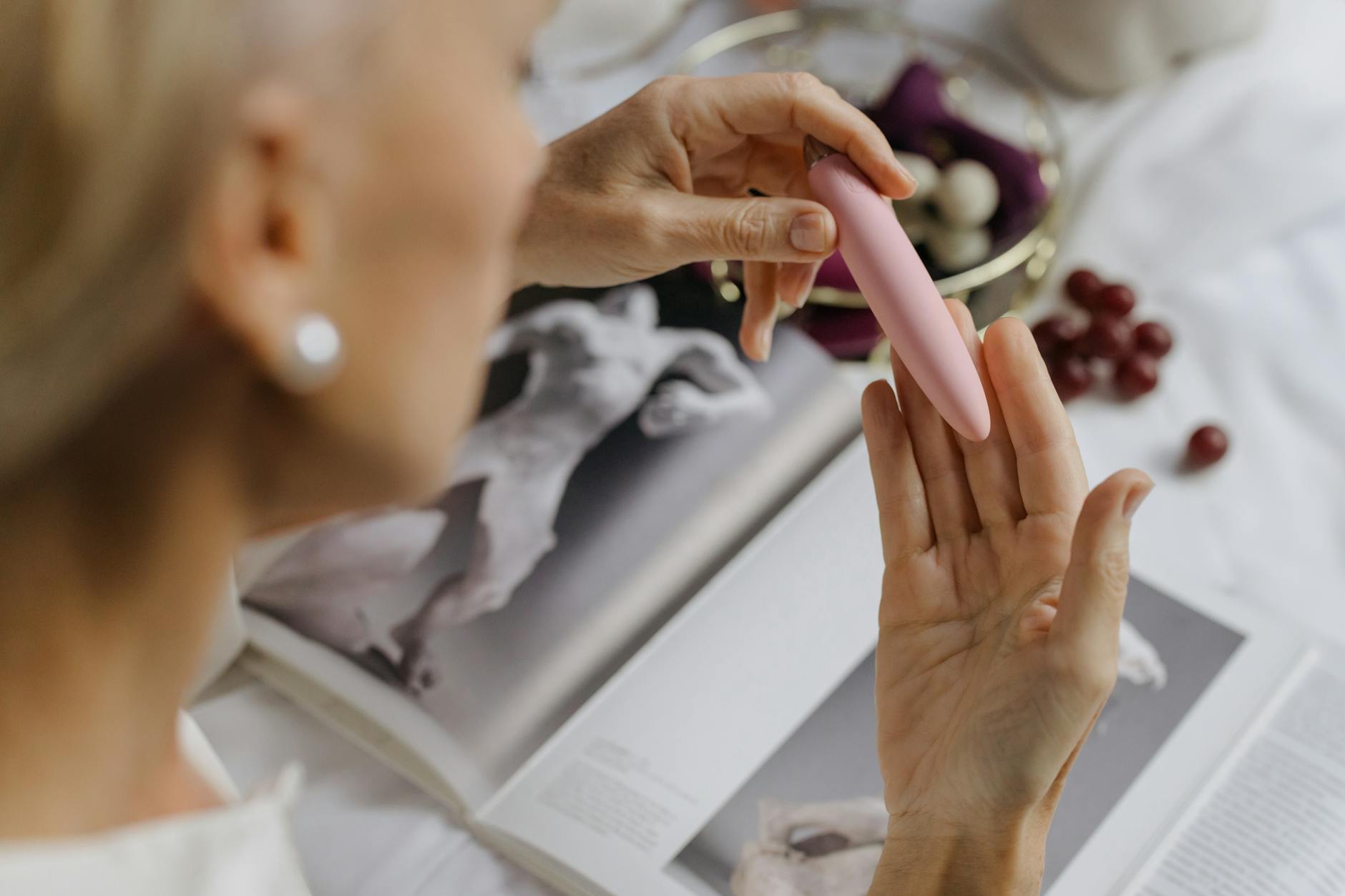
How to Use a Lemon Vibrator When Recovery From Pelvic Surgery Affects Sensation
Post-operative pelvic healing changes how pleasure feels. Here's what's actually happening, when it's safe to reconnect with your body, and how a lemon vibrator fits into the equation.
Pelvic surgery rewires your relationship with pleasure, at least for a while. Whether it's a hysterectomy, fibroid removal, endometriosis excision, or repair work, the surgery itself is only the first part of the story. The real challenge shows up later, when you're cleared to have sex but sensation feels muted, arousal won't cooperate, or touch triggers unexpected pain or numbness.
Honestly, most post-operative guidance stops at "wait six to eight weeks." It doesn't address what happens after clearance, or why pleasure might feel completely different even when the incisions have healed.
Pelvic surgery disrupts three interconnected systems: the nerves, the blood flow, and the pelvic floor muscle tone. Even minimally invasive procedures create inflammation and scar tissue (adhesions) that can change how stimulation travels through the tissue. Add to that the fact that many people spend those weeks of recovery in pain or on painkillers, which literally rewires the nervous system's pain threshold.
What you might notice: numbness or tingling in the vulva or clitoris, a delay in arousal that feels way longer than before, orgasms that feel distant or impossible, or sharp discomfort that appears without warning. That last one is often adhesions, and it's worth mentioning to your surgeon if it persists past twelve weeks.
The good news is that sensation almost always returns. It just takes time, and it takes intentional, gentle exploration.
Here's where I see most people make a mistake: they get cleared by their surgeon and treat that as a starting signal. It's not. Surgical clearance means "your incision is healed enough that sex won't cause bleeding or damage the repair." It does not mean your nervous system is ready, or that sensation has returned, or that your pelvic floor has released its protective tension.
Think of it this way. Your body just experienced trauma, even if it was planned and necessary trauma. The nervous system spent weeks bracing for danger. You can't think your way out of that bracing. You have to gently signal safety to the system through sensation and touch.
Most people find that weeks six to twelve are about exploration and getting reacquainted, not full pleasure. Weeks twelve to twenty-four are often when real sensation starts returning. A year out, most people report that they feel close to baseline, though sometimes with pleasant surprises (more on that in a moment).
A lemon clitoral vibrator is better suited to post-operative recovery than, say, a traditional vibrator or penetrative toy, for a few specific reasons.
First, it doesn't require any internal sensation or pressure to work. After pelvic surgery, the interior of the pelvis is where adhesions and healing complications live. A clitoral vibrator that works via external stimulation lets you rebuild pleasure without triggering scar tissue or protective tension in the pelvic floor.
Second, suction technology (the hallmark of the Lem) works differently than vibration. Instead of a mechanical hammering motion that can feel jarring on desensitized tissue, suction creates a rhythmic pulse that encourages blood flow back into the area. That increased blood flow is literally how sensation returns. You're not just having pleasure; you're signaling your nervous system that this tissue is safe again.
Third, and honestly most importantly: you can start with the gentlest settings and build from there. Many post-operative people try penetration or traditional vibration too soon because they're not sure what their threshold is. With a lem vibrator and its variable intensity, you can spend two weeks at level one or two, building confidence and sensation, before moving up. That pace is exactly what the nervous system needs.
Start in weeks eight to ten, not week six. By then the surgical site has enough structural stability that you won't damage anything, but you're not rushing.
First session: this is observation, not performance. Set aside twenty minutes when you have complete privacy and zero time pressure. Use a water-based lubricant around the clitoral area (healing tissue is dry tissue, and lube reduces the chance of irritation). Hold the lem vibrator on the lowest setting, patterns one or two, just over the clitoral hood without direct contact. Thirty seconds on, thirty seconds off. Notice what you feel.
This might feel like nothing. That's completely normal. The goal is not orgasm; the goal is data. You're asking your body: what's here? What wakes up?
Second session (three to four days later): same setup, same setting, but this time try light contact directly on the clitoris for five to ten seconds at a time. Again, pattern one. If you notice numbness, tingling, or any discomfort that feels like a warning (not pleasure-pain, but something saying "stop"), you stop. No shame, no forcing.
Third week onward: if the first two weeks felt fine, start moving to pattern two or three. Spend another two weeks here. This is not the time to chase orgasm. This is the time to let sensation return on its own schedule.
Orgasms might come, or they might not. And here's something I tell almost every post-operative patient: sometimes the first orgasm after pelvic surgery is accompanied by unexpected emotion. Grief, relief, joy, anger, all at once. That's not broken. That's your nervous system releasing what it's been holding. It passes.
If you're in a relationship, the worst possible move is to treat post-operative sexual recovery as something you need to power through "for" your partner. Recovery is about you learning what's safe, what feels good, and what your body is ready for.
Tell your partner: "I'm exploring this on my own timeline. This is research into my own pleasure, not a performance for you." Then actually mean it. The pressure to be "normal" again is one of the biggest reasons people skip the gentle phase and end up with either pain or a longer recovery.
If your partner wants to participate eventually, that conversation lives in week eight or nine, not week six. And it starts with: "I need this to feel good for me first."
Sharp pain that feels like electrical jolts or stabbing, especially if it's new after week twelve, is worth reporting. That's often adhesions. Severe numbness that hasn't budged by month four is also worth a conversation. And if bleeding or discharge returns during or after sexual activity, that's an urgent check-in.
But mild discomfort that eases as you explore, or numbness that's gradually improving? That's normal recovery. Your surgeon can't speed it up; only time and gentle use can.
About sixty percent of people I work with report that post-operative sensation, once it returns, actually feels better than before. The theory is that surgery sometimes releases restrictions in fascia or pelvic floor tension that were limiting sensation years prior. You're not just recovering; you might be upgrading.
That's not guaranteed. But it's worth knowing that "going back to normal" sometimes means "discovering what normal could have been all along."
Safe is less important than smart. Once you're cleared by your surgeon, the tissue won't tear. But comfort matters. A lem vibrator is particularly suited to recovery because suction-based stimulation encourages blood flow without the aggressive friction of traditional vibration, which can feel overwhelming on healing nerves. Many people find gentler tools easier to use during the early phases.
That's hugely variable. Some people feel strong sensation return by week twelve. Others take six months or longer. Patience isn't weakness; it's the actual mechanism of healing. Pushing too hard too fast often makes it worse. If you're still experiencing significant numbness at month six, mention it to your surgeon or ask for a referral to a pelvic floor physical therapist, who can work with adhesions or nerve irritation directly.
If it's post-operative bleeding or discharge (not menstrual), wait until it stops. That's your body signaling that healing is still in progress. Once you're past that phase and only have normal lubrication, you're good to go. If bleeding returns once you start using the lem, stop and contact your surgeon.
That's rare, but it happens. Severe adhesions or nerve damage can create lasting numbness in some cases. If you're past six months with no improvement, ask your doctor about pelvic floor physical therapy or a referral to a urogynecologist (they specialize in nerve pain and sensation issues). In the meantime, many people find that a lem vibrator can still create pleasure through the areas that do have sensation, even if other areas remain numb.
Alone, first. Solo exploration lets you understand what your body needs without any pressure to perform or any partner's expectations in the room. Once you feel confident and sensation has returned meaningfully, partnered use is fine. But that might not be week eight. It might be month five. Trust your timeline.
Absolutely. Use water-based lubricant generously. Post-operative tissue is dry, and the combination of suction plus lube actually makes the sensation more gradual and easier to tolerate. Silicone-based lubricants damage silicone toys, so stick to water-based for your lem vibrator.
Pelvic surgery disrupts pleasure temporarily. It doesn't end it. The difference between someone who returns to a fulfilling sexual life and someone who remains stuck often comes down to one thing: whether they were willing to be patient with the timeline instead of rushing it.
Your body is healing. A lemon vibrator is a tool that signals safety to your nervous system while you wait for sensation to return. Use it gently, use it consistently, and trust that pleasure isn't gone. It's rerouting.
If you're struggling with this process or have questions about rebuilding intimacy after surgery, that's exactly what I help people through. Get in touch and let's talk about what your specific recovery needs.