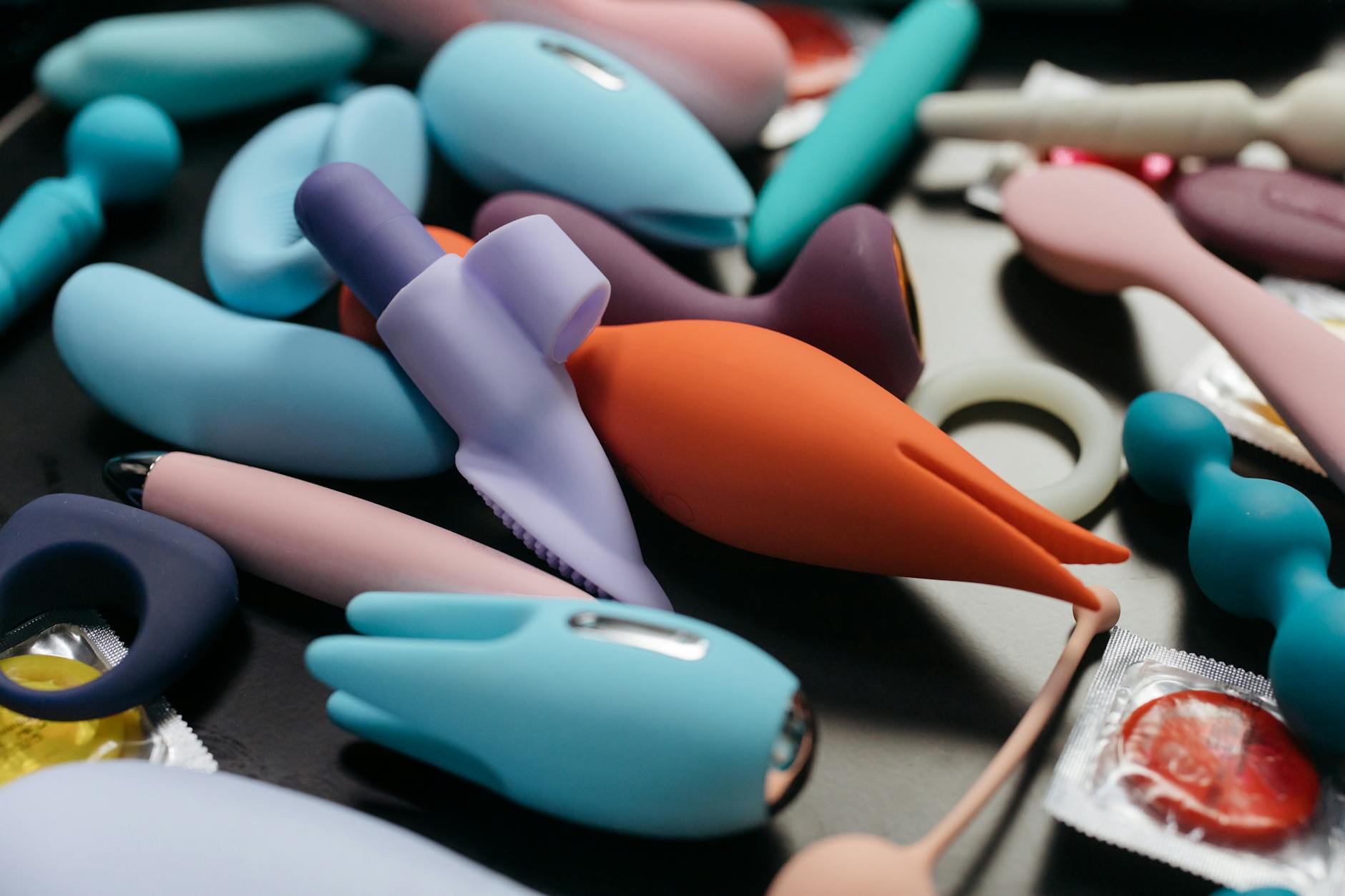
How to Use a Lemon Vibrator When You Have Dense or Fibroid Tissue
Dense tissue changes how vibration feels and travels through your body. A lemon sucker's air-suction design works differently than you'd expect—here's why that matters.
If you've been told you have dense breast tissue, fibroid growths, or thickened vulvar tissue, you probably know the feeling: vibration doesn't travel the way it does in other bodies. It doesn't "carry" the same way. A standard vibrator that works beautifully for someone else can feel buzzy and surface-level for you, like the sensation is getting stuck instead of moving through.
Here's the thing nobody explains clearly: your tissue density isn't a problem. It's just different physics. And once you understand that, using a lemon clitoral vibrator becomes a completely different game.
This is where the lemon vibrator's design actually wins for you. Most vibrators work by shaking back and forth—that vibration has to travel through your tissue to reach nerve endings. When tissue is dense or fibrous, that energy gets dampened. It's like clapping with a thick blanket in the way.
Air-suction (also called gentle suction or pulsing air technology) doesn't rely on vibration traveling through tissue. Instead, it creates a seal and then pulses gentle pressure. It's stimulating the nerves at the surface, pulling them upward slightly with each pulse. For dense tissue, this is actually more direct contact with the sensory receptors that matter.
When I work with clients who have fibroids or dense tissue, they often tell me the same thing: "I tried other devices and felt nothing. This actually works." That's not coincidence. It's biomechanics.
Dense tissue is tough tissue, not numb tissue. There's a real difference. Tough tissue can actually become irritated faster if you start too high because the seal is more complete, and the suction is doing more work in a smaller area.
Start at level 1 or 2 on your lemon vibrator, even if you feel like you have a high pain tolerance. Spend 5-10 minutes there. Let the device and your body negotiate what "normal" feels like. You'll likely feel the pattern working deeper than you expected, even at low levels.
After a few sessions, you can move to level 3 or 4. Dense tissue takes a minute to "warm up" to sensation, but once it does, you often find intensity carries better than in other bodies because the tissue is supporting the stimulation more, not less.
With dense tissue, the exact angle of contact changes everything. Your clitoris might sit slightly deeper or at a different angle than average anatomy. A vibrator that works at a 90-degree angle might miss the mark; a different angle might be the difference between "meh" and "oh wow."
With your lemon sucker, try these three positions:
Direct vertical. Treat the opening of the device like it's meeting your clitoris head-on. This works for maybe 40% of people with dense tissue.
Slight tilt. Angle the device 15-20 degrees forward (toward your body) or back, and find the sweet spot. Most people need adjustment here.
Side approach. Some find that coming from the side—meeting the clitoris from the left or right—creates better contact. Don't assume head-on is correct.
Spend a session just exploring angle. You're not trying to finish; you're calibrating. Once you find it, you'll know.
Lube creates a better seal for air-suction devices. It also helps the device glide as you adjust positioning. With dense tissue, you might move around more than someone else to find the right contact point, so lube reduces friction on the skin.
Use a water-based lube (silicone lubes can damage the silicone device material). Apply it around the opening of your lemon vibrator and around your vulva. Don't oversaturate—you want a thin, slick layer, not a pool. Reapply every 5-10 minutes if needed.
Dense tissue sometimes produces less natural lubrication, especially if you're in a hormone shift. That's fine. External lube does the job.
Here's something I've noticed working with clients: dense tissue often needs longer sessions to build sensation. Where someone else might reach strong sensation in 10 minutes, you might need 15-20. That's not a failure. That's just how your nervous system is wired.
The good news is that longer sessions often lead to longer, more sustained pleasure. You're not chasing a quick peak—you're building a plateau. Many of my clients with dense tissue report that their most satisfying orgasms are slower builds, but they're also deeper and more full-body.
Try committing to 20-25 minutes, even if you're not sure anything is happening at the 10-minute mark. Keep going. Let your body surprise you.
Dense tissue responds beautifully to layered stimulation. Your lemon vibrator doing the air-suction work, while you or a partner applies light pressure or massage around the area, can unlock sensation that either tool alone wouldn't.
If you're with a partner, they might apply gentle pressure to your lower abdomen or inner thighs while you use the device. This redirects blood flow and nerve engagement in a way that can make the vibrator feel more intense and more "there."
If you're flying solo, try holding pressure just above your clitoris with your other hand, or massage your thighs while the device is working. You're creating context for the sensation.
If you have diagnosed uterine fibroids, you might wonder if vibration or suction is safe. The short answer: yes, external clitoral stimulation is fine. Fibroids are inside the uterus; they don't prevent you from using a lemon clitoral vibrator. If you have any pelvic pain or cramping, that's worth mentioning to your gynecologist—but fibroid diagnosis alone is not a contraindication.
If you've ever felt pain during sex or with vibrators, mention that to your doctor. Sometimes pain isn't about the fibroids; it's about inflammation, adhesions, or other tissue changes that do warrant a conversation. But vibrator use itself? It's generally safe.
If you've tried the lemon vibrator for a few sessions and it's still feeling like something's missing, consider these:
Hormonal factors. Dense tissue sometimes correlates with hormonal shifts—PCOS, higher androgens, or estrogen dominance can all change sensation. If this is new for you, it's worth checking with a doctor.
Pelvic floor tension. Dense tissue can go hand-in-hand with a tight pelvic floor. Try some gentle pelvic floor relaxation (reverse Kegels, deep breathing) before using the device.
Device hygiene. A residue buildup (even microscopic) can dull sensation. Clean your lemon vibrator after every use with warm water and mild soap, and check that the air hole isn't blocked.
Arousal building. Sometimes dense tissue just needs more mental/emotional priming. Spend time with erotic material, touch, or fantasy before introducing the device. Let your nervous system be genuinely interested first.
I want to be clear: having dense or fibroid tissue doesn't mean you need to work harder or that pleasure should be harder to find. It means you need tools and strategies designed for your specific anatomy. A lemon clitoral vibrator is one of those tools because it works with your tissue's reality instead of against it.
Your body isn't difficult. It's detailed. And once you honor that detail, everything shifts.
Not typically. Pain during stimulation usually comes from external factors—pressure, positioning, or underlying pelvic tension—not from the device type itself. If you experience pain with any stimulation, check with your gynecologist to rule out inflammation or other tissue issues. Once cleared, a lemon sucker's gentler suction often feels more comfortable than traditional vibration.
Most people feel a real difference within 3-5 sessions of 15-20 minutes each. By session 2 or 3, you'll likely notice that sensation is traveling further or feeling more present. Full comfort and confidence with positioning usually takes about 1-2 weeks of regular use.
Not at all. Dense tissue often builds to stronger, more sustained orgasms, not weaker ones. They sometimes take longer to build, but the plateau is often deeper. Many people with dense tissue report their best orgasms come after consistent use of the right tool.
If you're in active pain or heavy bleeding, skip it that day. On lighter days or days without cramping, gentle air-suction stimulation is fine and sometimes even helps with pain relief. If you're unsure, check with your doctor, but routine clitoral stimulation is not contraindicated by fibroids.
If your dense tissue is connected to pelvic floor tightness, absolutely. Working with a pelvic floor physical therapist while using the vibrator can actually accelerate your results because you're addressing both the tissue density and the muscle tension together. They're not competing approaches; they're complementary.
Tissue density absolutely changes the sensation profile. What feels like level 3 intensity for someone else might feel like level 2 for you, not because your device is weak, but because the tissue is dampening the vibration travel. That's why starting low and building duration is key. You'll reach intensity—it just takes a different path.
Dense tissue, fibroids, thickened vulvar tissue—these are all variations that mainstream sex toy design usually ignores. The lemon vibrator's air-suction approach isn't a luxury; it's a practical choice that actually works with your anatomy instead of hoping vibration alone will cut through.
Your pleasure matters. Your body's specific needs matter. And the right tool makes all the difference.