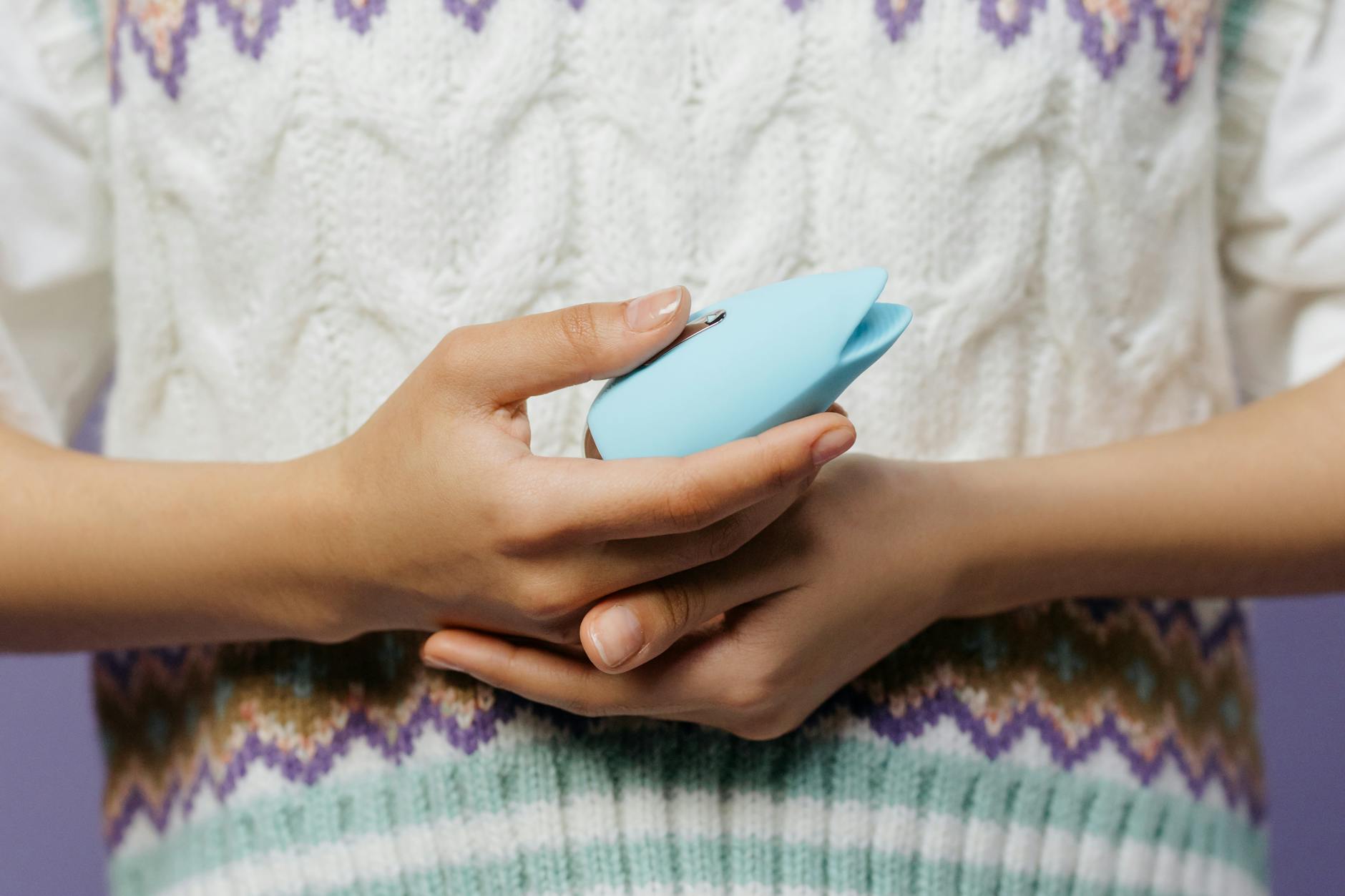
How to Use a Lemon Vibrator With Thin Tissue After Hormonal Changes
When estrogen drops, vaginal tissue thins and becomes more delicate. A lemon clitoral vibrator's gentle air-suction design works differently than friction-based toys. Here's what actually changes, and how to make it feel amazing again.
Let's be real: when estrogen drops, your vaginal tissue gets thinner. It's not a moral failure or a sign your body is broken. It's physiology. The tissue that lines your vulva and vagina becomes less plump, less elastic, and more prone to irritation from friction. At the same time, natural lubrication decreases, which changes how stimulation feels.
Here's what nobody tells you clearly: this does not mean your pleasure capacity disappears. It means the type of stimulation that worked before might need adjustment. And often, that adjustment opens up sensations you've never experienced.
Most traditional clitoral vibrators work through vibration and direct friction. They buzz against the tissue, which can feel raw or uncomfortable when your tissue is thin and more sensitive. A lemon clitoral vibrator, by contrast, uses air-suction technology. Instead of friction, it creates gentle pressure and release around the clitoris. This is a fundamentally different sensation mechanism.
The benefit? Air suction doesn't require thick or resilient tissue to feel good. In fact, thinner tissue often responds beautifully to the gentle pulsing action because there's less mechanical pressure involved. The stimulation works with your tissue, not against it.
When your vaginal tissue is thinner, blood flow becomes even more critical. Your body needs time to engorge the clitoris and surrounding tissue so there's more padding, more sensitivity, and more natural lubrication. This takes longer than it might have before hormonal shifts.
Budget 20-30 minutes for warm-up before using a lemon vibrator. This isn't foreplay in the traditional sense. This is mental arousal, maybe partner touch, fantasy, or just breathing and self-touch. The goal is to let your nervous system settle into pleasure mode and your tissue to fill with blood.
Water-based lubricant isn't optional when tissue is thin. It's foundational. A quality lube reduces friction, increases glide, and makes the sensation of the lemon vibrator feel smoother and more enjoyable. Apply it generously. Re-apply as needed. There's no such thing as too much lube when you're working with delicate tissue.
Pick a water-based formula designed for sensitive skin if you have irritation. Avoid anything with glycerin or parabens if those trigger sensitivity in your case. Silicone-based lubes feel luxurious but will damage silicone toys, so stick with water-based unless you're using a non-silicone device.
Position matters more when tissue is delicate. Lying on your back with a pillow under your hips gives you leverage and lets you control the angle of contact. You're not pinning tissue between bone and toy. Sitting upright with legs spread also works well because you can see what you're doing and adjust instantly if anything feels uncomfortable.
Avoid positions where you're pressing your full weight onto the area. Thin tissue bruises more easily, and you want to avoid any pressure that might create micro-tears. The lemon vibrator should rest gently against you, not be pressed into you.
Most lemon vibrators have multiple intensity levels. Start at the lowest setting, period. Your tissue might be more responsive than you expect, and starting gentle gives your nervous system time to adjust to the sensation without overwhelm.
Spend 5-10 minutes at the lowest level. Pay attention to what feels good. Does the sensation feel warming, tingling, pleasurable? Great. Keep going. Does it feel irritating or uncomfortable? Back off. Your tissue will tell you what it needs if you listen.
Once you're comfortable at level 1, you can gradually move to level 2 or 3. Many people find their sweet spot is actually at a lower-to-medium intensity, which is completely normal. You're not aiming for maximum sensation. You're aiming for sensation that feels good without pain or irritation.
Your body will produce more natural lubrication as you build arousal, even if baseline lubrication is lower than it used to be. This is normal. The warm-up phase and external lube create the conditions for your body to do its thing. Some people find that after 15-20 minutes of gentle stimulation, their body catches up and natural wetness increases.
If natural lubrication plateaus and doesn't increase much, that's also normal with thin tissue. External lubricant is not a failure. It's a tool that makes the experience sustainable and pleasurable.
If something hurts, stop. Pain during stimulation usually means tissue is being irritated, and pushing through doesn't train your body to handle it. It trains your nervous system to tighten up and associate pleasure with discomfort. That's the opposite of what you want.
Common pain signals: stinging, burning, rawness, or a feeling of scraping. If you notice any of these, pull back immediately. Lower the intensity. Add more lube. Adjust your position. Or take a break and come back in a few hours.
Pain that feels sharp or shoots into your pelvis might indicate inflammation or injury. If that happens, see a healthcare provider who specializes in hormonal health or pelvic floor issues. There are topical treatments and other strategies that can help.
If thinning is severe enough that even low-intensity stimulation causes discomfort, topical vaginal estrogen cream might be worth discussing with your doctor. This is a localized treatment, not systemic hormone replacement. It thickens tissue directly where you apply it, which can transform the sensation within 2-4 weeks.
Many people use topical estrogen for a few months to rebuild tissue resilience, then dial it back once the tissue has recovered some of its thickness and elasticity. It's a bridge, not a permanent solution, though some people choose to use it long-term.
When tissue is thin, solo exploration gives you the most control. You can stop instantly, adjust pressure, and move at your own pace without explaining what you need in the moment. This self-knowledge is valuable whether you eventually use a lemon vibrator with a partner or keep it solo.
If you do want to use one with a partner, communicate clearly beforehand. Show them the device. Explain that you need longer warm-up time and that pain means stop, not keep going. Some partners find this conversation awkward, but most appreciate the clarity. You're not asking them to do something wrong. You're giving them information that helps them please you.
There's no rule that says thin tissue can't handle regular vibrator use. However, gentle frequency is usually better than aggressive. Using a lemon vibrator 2-3 times a week with proper warm-up, lube, and low-intensity settings is generally safe and enjoyable. Some people go daily without issue. Others find that every other day gives them the best recovery.
If you notice increasing irritation or rawness, pull back to less frequent use and give tissue time to recover. Your body will tell you its preferences once you start paying attention.
Hormonal changes that thin tissue often arrive with other life transitions. Relationship shifts, career changes, aging, grief. The temptation is to blame everything on hormones and assume that fixing the tissue fixes everything. Sometimes that's true. Often there's an emotional piece underneath the physical one.
If pleasure feels disconnected from your body even after you've addressed the physical mechanics, exploring the emotional side of sensation can be just as valuable as adjusting your vibrator technique. You're allowed to work on both at the same time.
Thin tissue deserves a toy that's well-maintained. Wash your lemon vibrator with warm soapy water or toy cleaner after each use. Store it in a clean, dry place. Check it regularly for any signs of damage or wear. A silicone toy that's developing small tears can cause irritation, especially on delicate tissue.
Replace your toy if you notice cracks, pitting, or sticky spots that don't wash off. A damaged toy isn't worth the risk of introduction of bacteria or irritation.
Thin tissue after hormonal shifts doesn't mean the end of pleasure. It means adapting your approach. A lemon clitoral vibrator's air-suction design, combined with longer warm-up, generous lubrication, and gentle intensity, often creates sensations that feel better than what came before. The trick is patience, communication with your body, and the willingness to slow down.
Tissue doesn't thicken from vibrator use itself, but consistent, pleasurable stimulation increases blood flow to the area, which can improve tissue resilience over time. More importantly, topical estrogen cream (prescribed by a doctor) actively thickens tissue within 2-4 weeks. If you're considering it, talk to your healthcare provider about whether it's right for your situation.
Tear risk is low with a properly used lemon vibrator because air suction is gentler than friction-based toys. However, using it without enough warm-up, lubrication, or at high intensity too quickly can cause micro-tears or irritation. Start low, use plenty of lube, and listen to your body's pain signals.
Yes. Water-based lube is safe for daily use and doesn't alter your vaginal flora the way some other products can. It's actually protective for delicate tissue because it reduces friction and irritation. Choose one without glycerin or parabens if you have sensitivity, and re-apply as needed.
Some hormonal contraceptives (especially low-dose pills, patches, or implants) can contribute to tissue thinning by lowering local estrogen. If you're on hormonal birth control and experiencing thinning, talk to your prescriber. There are options like switching to a different formulation or adjusting the dose that might help.
Irritation from a vibrator usually feels raw, tender, or slightly swollen right after use. Infection typically brings discharge (yellow, green, or unusually thick), a burning sensation that lasts hours after use, or pain that gets worse rather than better with rest. If you suspect infection, see a doctor. If it's irritation from the toy, take a break, use less intense settings, and add more lube next time.
Yes, but with extra care. Your period naturally comes with more blood flow and lubrication, which protects thin tissue. However, tissue can feel more sensitive during your cycle. Start with even lower intensity than usual, and stop if anything feels uncomfortable. Learn more about vibrator use during your period for additional context.
If thin tissue is affecting your quality of life or your relationship with pleasure, you don't have to figure this out alone. A healthcare provider or therapist who specializes in sexual wellness can offer strategies tailored to your body. And sometimes the simplest fix is just finding the right tool and the right approach. A lemon vibrator might be exactly that tool for you.
Have questions or want to talk through your specific situation? Reach out to us. We're here to help.