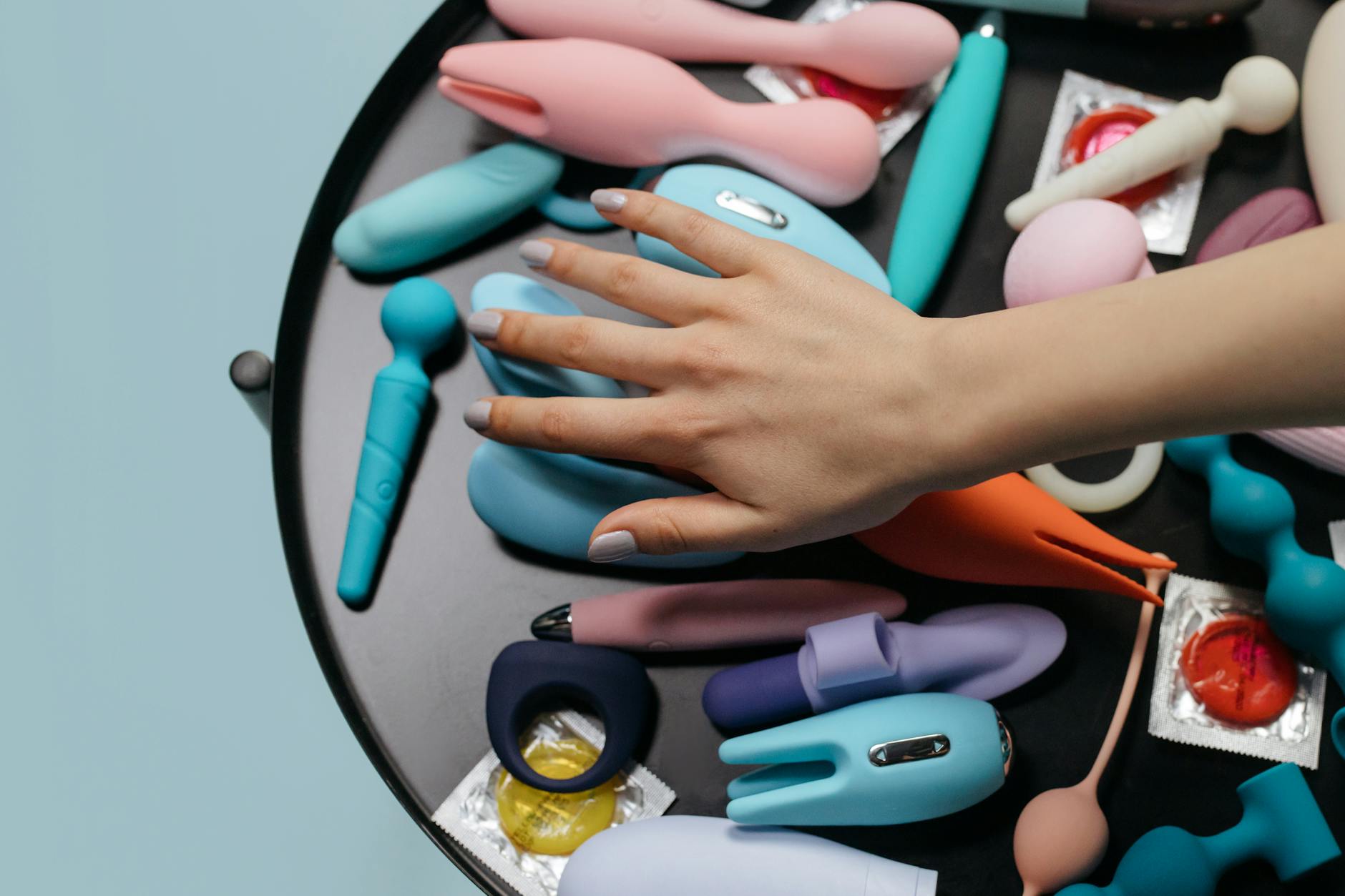
You switched antidepressants, upped your anxiety med, started a new blood pressure drug, or adjusted your hormone therapy. Everything feels good except one thing: sensation during sex has gone quiet. You're not broken. Your body isn't betraying you. Your medication is just doing its job in ways your doctor probably didn't mention at that 10-minute follow-up visit.
Here's the thing: medication-induced sexual numbness is one of the most common side effects people don't talk about, which means most people think they're alone in experiencing it. They're not. And tools like a lemon clitoral vibrator can be exactly what you need to bridge that gap between the sensation your body wants and what your nervous system is currently delivering.
Different medications work through different pathways. Antidepressants (SSRIs especially) can dampen dopamine and norepinephrine signaling. Some blood pressure meds reduce blood flow to sensitive tissues. Antihistamines dry you out. Hormonal changes from thyroid meds or estrogen adjustments affect tissue elasticity and nerve sensitivity. Some anxiety medications blunt the whole nervous system activation that's part of arousal.
The irony is brutal: the medication that steadied your mood or controlled your blood pressure is also muffling the nerve signals that create pleasure. Your clitoris is still there. The nerves are still there. But the signal is quieter. It's like trying to hear someone whisper in a room with the volume turned down.
Here's what that means practically: direct manual stimulation might feel like nothing. Partner touch might register as pressure but not sensation. You might reach orgasm, but it feels distant or muted instead of satisfying.
A lemon clitoral vibrator uses air-suction technology, which works on a completely different principle than direct vibration. Instead of relying on conventional vibration that your dulled nerve endings might not register, suction creates a gentle pressure wave that stimulates deeper nerve tissue. Think of it like the difference between tapping on a window and the air pressure change from a nearby door closing. One you might miss. The other moves through the whole room.
This matters when sensation is muted. The air-suction pattern of a lemon vibrator doesn't require the same nerve sensitivity to feel strong. It's why many people on SSRIs, beta-blockers, or other sensation-dampening medications report that lemon adult toys feel more effective than traditional vibrators.
If you're coming to a lemon sexual toy after switching medication, here's how to approach it.
Start at the lowest setting. If your sensation is already muted, your first instinct might be to crank it up. Resist that. Begin at pattern 1 or 2 on a lemon clitoral vibrator. Your nervous system needs a gentle reintroduction to intensity. You'll build from there.
Give yourself 20-30 minutes. Muted sensation means arousal takes longer. Budget actual time. Light candles. Put your phone across the room. Tell your partner you need uninterrupted space. Rushing defeats the whole purpose.
Use generous amounts of lubricant. Medication can also dry you out. Water-based lube helps the suction work better against your tissue and removes one variable (friction) from the equation. You're isolating the sensation created by air pressure, not fighting dryness.
Position the lemon vibrator directly over your clitoris. Don't dance around it. The air-suction design works best with full coverage. The sensation might feel subtle at first. That's normal. What feels like "nothing" on pattern 1 often becomes "oh" by pattern 3 or 4, once your nervous system recognizes the stimulus.
Some medications take weeks to stabilize in your system. Sensation changes often follow that same timeline. If you switched SSRIs or adjusted dosages, your body might take three to six weeks to find a new baseline.
Here's what that timeline looks like with a lemon clitoral vibrator.
Week 1: You might feel nothing or very little. This isn't failure. Your nervous system is still adjusting. Use the toy anyway, starting at lower patterns. You're building a routine and giving your body permission to feel sensation again.
Weeks 2-3: You'll start noticing something. Maybe it's subtle. A gentle pressure that registers as "something is happening." That's the air-suction working.
Weeks 3-4: Patterns that felt nothing on week 1 might start to feel like something. You can gradually increase intensity. Orgasms might start to return, even if they feel different than before.
Week 5+: Many people report that sensation normalizes, though it may feel different than it did before medication. The lemon vibrator often remains more effective than manual stimulation or traditional vibrators because it's working on a different neural pathway.
The key: don't abandon the tool after two weeks because "it's not working." You're in a medication adjustment window. Your body is recalibrating. The tool is designed for exactly this.
Sometimes the fix isn't a tool. Sometimes it's switching medications or adjusting your dose. Here's when to have that conversation.
If numbness is severe and doesn't improve by week 6, ask your doctor whether the medication might be adjusted. Some SSRIs are known to be less likely to cause sexual side effects. If you're on sertraline, your doctor might try fluoxetine or bupropion instead. If you're on certain blood pressure meds, there are alternatives with fewer sexual side effects. This isn't about suffering in silence.
Bring it up directly: "I've noticed sexual sensation has changed since starting this medication. Are there alternatives that might have fewer sexual side effects?" Good doctors expect this question. If yours seems dismissive, that's useful information about whether you're with the right provider.
In the meantime, a lemon sexual toy like the ones at My Lem Sucker isn't a workaround to a bad medication match. It's a real tool that works while you and your doctor figure out whether the medication is the right fit or needs adjustment.
If you have a partner, the worst thing you can do is handle this silently. Muted sensation often translates to less obvious arousal cues. Your partner might think you're not interested or that something's wrong with them. Neither is true.
Here's what to say: "My medication change has affected my sensation. This isn't about you or about me not wanting this. It's a side effect, and I'm working on it. I want to keep exploring with you, and right now a lemon vibrator is helping me feel things again."
If your partner is open, having them present while you use the toy can actually help. They see you respond. You feel connected. The suction sensation becomes something you're experiencing together instead of something you're managing alone.
If your partner isn't interested in that level of involvement, that's also fine. Solo exploration with a lemon clitoral vibrator is perfectly valid. You're not trying to fix the relationship. You're trying to reconnect with your own body.
With medication, the issue is physiological and reversible. Your nervous system isn't damaged. The signal is just turned down by chemistry. That actually makes a lemon vibrator more effective here than in situations where nerve damage or emotional numbing is the root cause.
If your numbness started after surgery or after a long period of stress, the pattern is different, and the approach might need adjustment. But if it started within days or weeks of a medication change, you're almost certainly looking at a chemical side effect, not a structural problem.
Yes. In fact, start there. Many people assume that muted sensation means they need maximum intensity. The opposite is usually true. Starting at pattern 1 or 2 lets your nervous system recognize the stimulus without overstimulation. You can always increase if needed. Speed rarely matters more than consistency with muted sensation.
Many people notice a shift within 2-4 weeks, though it depends on your medication and your body. Some people see results in days. Others take 6 weeks to notice real improvement. The key is consistency. Using the tool regularly signals to your nervous system that you want sensation back, and that intention actually helps rewire the response.
Not usually. Once your body adjusts to the new medication or if your doctor adjusts your dose, sensation often normalizes. Some people find their "new normal" is slightly different from before medication, but still satisfying. A lemon sexual toy remains helpful even after sensation returns because it often feels more intense than manual stimulation.
Absolutely. Using the tool while you explore medication alternatives isn't giving up on the medication conversation. It's giving yourself pleasure while you navigate the adjustment. Most doctors are supportive of patients finding ways to maintain intimacy during medication changes.
If sensation genuinely hasn't returned by week 8, the medication might not be the right fit. Have a clear conversation with your doctor: "I've waited through the adjustment period and sensation hasn't returned. Can we discuss alternatives?" There's no badge of honor for suffering through a medication that's destroying your sex life. A different medication, a lower dose, or a different class altogether might be the answer.
For many people, yes. The air-suction technology works on a different neurological pathway than traditional vibration. When conventional vibrators feel like nothing, suction stimulation often registers more clearly. That said, everyone's nervous system is different. Some people find that adding layers of sensation (vibration plus suction) works better than suction alone.
Medication side effects are real. They matter. And they're also one of the most reversible forms of sensation dulling you can experience. Your nervous system isn't damaged. Your capacity for pleasure is intact. You're just waiting for your chemistry to stabilize.
In the meantime, tools like a lemon clitoral vibrator from My Lem Sucker aren't a band-aid. They're an active way of maintaining your connection to your own pleasure while your body adjusts. Start low, go slow, and give yourself at least 4-6 weeks. Most people find that sensation returns, and when it does, you're still here, still exploring, still interested.
If you have questions about what might work best for your situation, reach out. You deserve pleasure that feels good, even while your medication is settling in.